
Muscat feels like two cities stitched together, new gleaming streets and old harbors with stories in every corner. This private car city tour is built for that mix, with a guide who keeps the day moving while letting you control the pace, whether you want quick photo stops or extra time in the Muttrah Souq.
I like that the tour is organized around big, recognizable landmarks, yet it still feels personal. Guides like Mohamed, Said, Muhammet, and Abdullah come across as attentive, flexible with slower walkers, and ready to explain what you are actually looking at.
One thing to consider is logistics tied to time and entry. The mosque has a strict dress code, and access can be affected by weather, plus some plans may run shorter than the advertised length, so I suggest you confirm timing and what is feasible once you are on the ground.
Key highlights that make this day worth it
- Sultan Qaboos Grand Mosque carpet fact: a 1-piece handmade Iranian carpet weighing 21 tons, seating up to 20,000 worshippers
- Private-car flexibility: you can slow down for photos, viewpoints, or shop browsing without negotiating with a group
- Old Muscat stops you can frame like a postcard: Al Alam Palace, Fort Al-Mirani harbor area, and Al Bustan photo views
- Muttrah Souq for real browsing: one of Oman’s oldest marketplaces, dating back about 200 years
- Bait Al Zubair Museum + Omani village outside: weapons, including khanjar, plus costumes and household items
- Sustainability focus: the operator emphasizes sustainable choices during the tour
A private-car Muscat day that you can actually control
This is the kind of tour that makes sense if you do not want to race through Muscat. You start with pickup and drop-off in Muscat, then spend the day hopping between sights in a private vehicle with a guide in your corner.
What I like most is the pacing promise. You are not stuck at the speed of strangers. If you want more time by the sea, you can do that. If you prefer to linger in Old Muscat, your guide can adjust the order and stop length.
The other practical win is transportation between destinations. Instead of figuring out routes yourself, you get door-to-door transfers between areas like modern landmarks, then back into older neighborhoods and along the harbor. Expect short drives and frequent stops for photos, because Muscat’s main sights are spread out, and parking and navigating on your own can turn into wasted time.
More City Tours in Muscat
- Muscat: Budget Friendly City Tour
★ 4.8 · 321 reviews - Half-Day Private Muscat City Tour – Top Landmarks in Just 4 Hours
★ 5.0 · 256 reviews - Oman: Private Muscat City Tour With Pick-up/ Drop-off
★ 4.4 · 234 reviews
Sultan Qaboos Grand Mosque: start big, see the carpet miracle
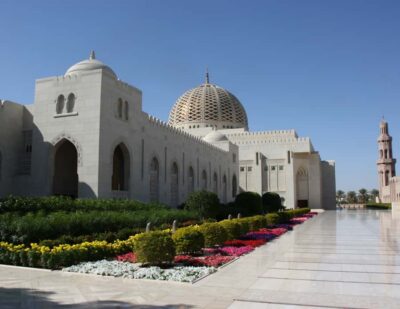
The day’s first major stop is the Sultan Qaboos Grand Mosque. Even if you have seen other grand mosques, this one has a detail that people rarely forget: one enormous 1-piece handmade Iranian carpet. It weighs about 21 tons and can accommodate up to 20,000 worshippers.
This is also where your guide earns their keep. You are not just looking at architecture. You are learning what the mosque represents, why that carpet is such a big deal, and what to notice when you arrive.
Dress code: know it before you go
Before you even think about the photos, plan your outfit around mosque rules. You cannot wear shorts or short skirts. For the mosque specifically, you need long pants, and women must cover their hair with a headscarf. No one provides extras on this tour, so bring what you need.
One more reality check: the mosque visit may not work if weather turns rough. Rain can change access or how much time you spend there, so do not schedule anything tight right after your tour end time.
Royal Opera House area and the modern Muscat view from the road
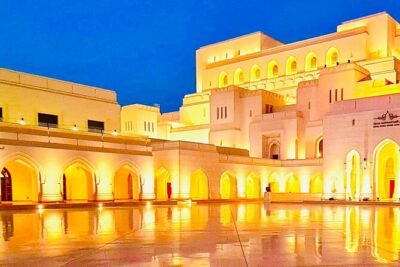
After the mosque, you head through areas around government ministries and the Royal Opera House zone. This is less about entering buildings and more about seeing Muscat’s modern side with context.
If you are the type who likes to understand a place beyond monuments, this segment matters. You get oriented to the city’s layout, then you learn what the Opera House is trying to do culturally in Oman. Your guide can connect the visuals you see along the route to the bigger story of how arts and public life are represented here.
Because you are in a private car, you can keep this flexible. If you want a longer look at viewpoints or a better angle for photos, you are not held hostage by a strict group timeline.
A few more Muscat days worth weighing up
- From Muscat: Wadi Shab & Bimmah Sinkhole Full-Day Tour
★ 4.8 · 1,862 reviews - Wadi Shab and Bimmah Sinkhole Group Full Day Tour
★ 5.0 · 303 reviews - Full-Day Private Wahiba Sands Desert and Wadi Bani Khalid Tour
★ 5.0 · 291 reviews - Nizwa Fort-Nizwa Souq-Misfah Al Arbyeen-Jebel Shams – Private Full Day Tour
★ 5.0 · 220 reviews
Fees and entry
Entry to the Royal Opera House is not included. If you plan to go inside, you should budget about 7.9 USD per person for the entry fee. (Also note: your day may include photo stops rather than full interior time, depending on timing.)
Muttrah Souq: where shopping feels like history
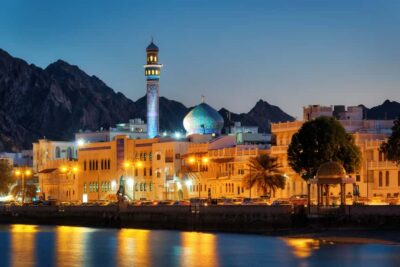
Next is Muttrah Souq, one of Oman’s oldest markets, dating back roughly 200 years. This is where you slow down without feeling like you are losing time, because the setting itself is the entertainment.
You will find souvenirs and the usual items sold in markets, but what makes Muttrah special is the texture. The alleys and stalls create a lived-in feeling that you do not get in modern malls. If you have ever wanted to buy something small but meaningful, this is a strong place to start.
How to shop smart here
- Plan for time. Souqs eat time, and you might want a second look.
- Keep cash handy for smaller purchases, since signage and payment options can vary.
- If you want help comparing prices, ask your guide for practical tips on what people usually buy.
Bait Al Zubair Museum: weapons, costumes, and an outdoor Omani village
One of the most interesting stops is Bait Al Zubair Museum, located on Al Saidiya Street in Old Muscat. This museum focuses on everyday items and heritage, not just big-name artworks.
Inside, you can see an extensive collection of ancient weapons, including the khanjar. You can also look at household equipment and costumes. It is the kind of collection that helps you understand what life looked like in different periods, right down to clothing and objects.
Then there is the outdoor part. Outside the museum, you get a full-scale Omani village and souk area. This helps you picture how parts of the culture worked in real life, beyond glass cases.
Entry fee to plan for
Museum entry is not included. Budget about 6 USD per person if you want to go in. If you are trying to keep the day under a certain total spend, this is one of the main add-ons to account for.
Al Alam Palace, Fort Al-Mirani, and the harbor story behind the photos
Old Muscat keeps paying off through photo stops, especially around the harbor.
Al Alam Palace: ceremonial power in a small space
You will see Al Alam Palace, also known as the Palace of the Flag. It served as a ceremonial palace for Sultan Qaboos bin Said Al Said. It is one of six sultanic residences, with a history of over 200 years, built under the watch of Imam Sultan bin Ahmed, Sultan Qaboos’s seventh direct grandfather.
Because it is often a photo stop, your guide’s explanation becomes the difference between a quick picture and a meaningful one. You will know what you are looking at, why it mattered, and why the palace fits into the rhythm of Old Muscat.
Fort Al-Mirani: Portuguese links and the cannon detail
Another harbor stop is Fort Al-Mirani. The fort predates the Portuguese invasion, then it was rebuilt by the Portuguese in 1587. It is also known for being the first place in Oman to use cannons.
This is one of those stops where you might think you are getting just a viewpoint, but you are actually getting a timeline. You will be able to connect the harbor’s strategic importance to the wider history your guide shares.
Al Bustan Palace photo stop: the GCC summit connection
Near the end, you drive to Al Bustan Palace, locally known as the Bustan. This is one of the Middle East’s iconic hotels, but the tour visit is mainly for a photo moment and context.
It was originally built as an Omani royal palace in 1985 to host the GCC Summit and to celebrate the 15th anniversary of the late Sultan Qaboos’s accession to power. So even if you are not going inside the hotel, you are seeing a place with political and ceremonial significance.
The private-car transport matters here too. You get that clean handoff from Old Muscat views to a more modern, glamorous zone without having to coordinate taxis or rides.
Price and timing: what $181 per person really means
At $181 per person, this is not a budget half-day bargain. The value is in three areas: the private car, a guide who can tailor the pace, and the mix of stops across different parts of Muscat.
You should also think about the add-ons. Not included costs that commonly apply:
- Grand Mosque audio guide: 5 USD per person
- Royal Opera House entry: 7.9 USD per person
- Bait Al Zubair Museum entry: 6 USD per person
- Lunch: not included
- Overtime after 7 hours: 40 USD per car, paid in cash
One timing note to take seriously: the tour may be advertised as a 6.5-hour experience, but your actual end time can shift based on pace and conditions. If you have dinner reservations or a flight, tell your guide early that you have a fixed deadline. The more direct you are, the easier it is for them to keep things on track.
Language matters
English, French, German, Italian, and Spanish are available. If language is a must, confirm it clearly before your day starts. If the spoken language is not matching your preference, it is harder to enjoy the explanations, and explanations are a big part of why this tour works.
What to bring, and what to avoid
Pack for warmth and long pauses. You will be outside for viewpoints, harbor views, and walking around souq areas.
Bring:
- Comfortable shoes
- Sunglasses
- Sunscreen
Avoid:
- Shorts and short skirts
- Any outfit that violates mosque requirements
For women, bring a headscarf you are comfortable wearing for the mosque. For everyone, make sure you have long pants that you can wear without feeling miserable, because you cannot count on last-minute options.
Who should book this Muscat private tour
I think this tour is a great match if:
- You want a private guide instead of group logistics.
- You like structure but still want time flexibility for photos and browsing.
- You care about context, not just checklists.
It may be less ideal if:
- You are trying to minimize total spending after add-on fees.
- You only want a quick photo run with no learning component.
- You have a hard schedule and cannot tolerate timing changes.
If you are traveling with parents or slower walkers, this style of guide help can make a big difference, because pacing is part of the service, not an afterthought.
Should you book it?
Yes, if you want a full-day Muscat overview that connects major sights, old souk life, museum culture, and harbor history, all with the comfort of a private car. The mosque carpet detail alone is worth being there in person, and the day is strengthened by stops like Muttrah Souq and Bait Al Zubair Museum.
Before you commit, do two quick checks: confirm your preferred language, and clarify how the day timing will work for your schedule, especially if the mosque weather conditions change plans. If you do those things, you will get a smooth, meaningful day in Muscat.
FAQ
What is included in the Muscat private city tour?
The tour includes a private tour, a guide, water, and pickup and drop-off in Muscat.
Which major sights will I see during the day?
You will visit the Grand Mosque area, Muttrah Souq, Al Alam Palace (photo stop), Bait Al Zubair Museum, Fort Al-Mirani (photo stop), and you will also see Al Bustan Palace (photo stop). You will also pass through the ministries and the Royal Opera House area.
Are entry fees included for the mosque, opera house, and the museum?
No. The Grand Mosque audio guide is an extra 5 USD per person. Royal Opera House entry is 7.9 USD per person. Bait Al Zubair Museum entry is 6 USD per person.
Is lunch included?
No, lunch is not included.
What should I wear for the mosque?
You must wear long pants. Shorts and short skirts are not allowed. Women must cover their hair with a headscarf.
What languages are available for the guide?
The tour is available in English, French, German, Italian, and Spanish.
Is there an extra charge if the tour runs long?
Yes. If you go past 7 hours, there is an hourly overtime supplement of 40 USD per car, paid in cash.
Newest out of Muscat
- Wahiba Sands and Desert Safari from Muscat★ 5.0 · 3 reviews
- Guided Private Tour to Wakan Village in Oman★ 5.0 · 3 reviews
- Sunset And Coastal Trip Muscat★ 5.0 · 3 reviews
- Muscat: Daymaniat Snorkeling Tour with Pick up & Drop off★ 4.7 · 3 reviews
- Muscat Tour : Explore Evening Muscat attractions★ 5.0 · 3 reviews
- Wadi Shab full day tour (Muscat tours):Oman Shore excursions★ 4.5 · 3 reviews
- Muscat : Private trip to Wadi Shab for a full day with lunch★ 5.0 · 4 reviews
- Full-Day Private Wadi Tiwi Adventure★ 5.0 · 4 reviews
City Tours, compared.
Half-Day Private Muscat City Tour – Top Landmarks in Just 4 Hours
Read our review →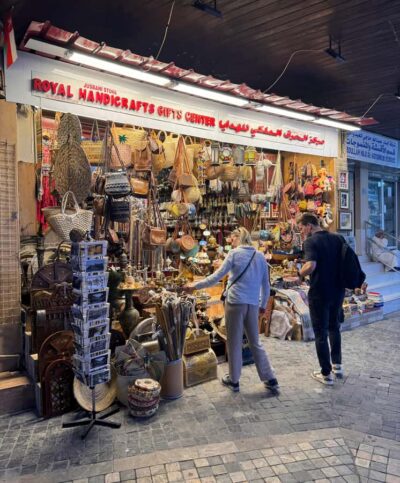
Private Muscat City Tour With Pick-up/ Drop-off
Read our review →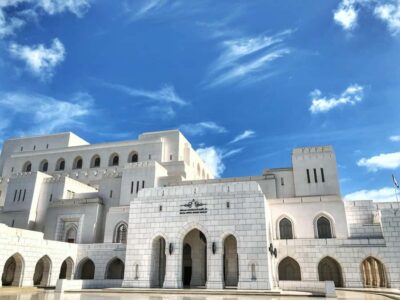

4 hours private Tour of Muscat City with Pick-up
Read our review →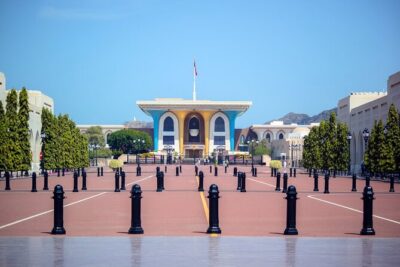
Half-Day Private Muscat City Tour- with a local guide
Read our review →Browse the lists this tour appears in