
Reviewed · CITY TOURS
Muscat Half Day City Tour with Audio Guiding
Muscat is interesting because you get the “modern capital” feel without losing the old rhythms of the city. This half-day loop is a practical way to get your bearings fast, with quick photo time at major landmarks and just enough time in the markets to understand why locals still gather there.
I especially like how the tour points you to the two faces of Muscat: the monumental marble of the Sultan Qaboos Grand Mosque, and the busy old-trade world around Muttrah. I also like the inclusion of the Bait Al Zubair Museum stop, since it helps connect the architecture, forts, and souks to Oman’s past. One drawback to plan for: this is mainly an audio-guided experience, so you may not get the same level of live, on-the-spot explanation you’d expect from a full guide.
Key Things I’d Watch For Before You Go
- Sultan Qaboos Grand Mosque is the headline stop, with a setting that can accommodate 20,000 worshipers and courtyards and prayer halls that are built for big moments.
- Muttrah Fish Market plus Muttrah Souk give you the harbor trade scene and the covered lanes for spices, perfumes, coffee, antiques, and homewares.
- Bait Al Zubair Museum is where the story connects, covering Oman’s culture and early roots through a permanent heritage and art collection.
- You’ll get classic Old Muscat views without long hikes, with Al Alam Palace and the Portuguese-built Mirani and Jalali forts handled as photo stops.
- Small group size (max 8) plus an air-conditioned vehicle keeps the pacing comfortable.
- Expect audio first, live commentary second, depending on who you’re driving with on the day.
A Simple, Efficient Intro to Muscat’s Main Contrasts
This tour is designed for people who want highlights without spending the whole day in transit. You start with hotel pickup in Muscat and ride in an air-conditioned vehicle, then you’re moving through the city in a logical pattern: major sights first, then the old-port area, and finally more Old Muscat views and photo stops.
Muscat sits between the Al Hajar Mountains and the Gulf of Oman, and you feel that geometry as you move. The city’s newer development can look polished and controlled, but the tour also takes you through areas that still show Arabian heritage and culture. That mix is exactly why Muscat feels different from other Gulf capitals.
There’s also a “value of time” angle here. At about 4 hours total, you get multiple anchor stops, and you won’t spend your day searching for opening times or figuring out routes between far-flung neighborhoods.
More City Tours in Muscat
- Muscat: Budget Friendly City Tour
★ 4.8 · 321 reviews - Half-Day Private Muscat City Tour – Top Landmarks in Just 4 Hours
★ 5.0 · 256 reviews - Oman: Private Muscat City Tour With Pick-up/ Drop-off
★ 4.4 · 234 reviews
How the Audio Guiding Shapes Your Experience
This is not a private driver who narrates everything. Instead, you get audio guiding in multiple languages with headphones. That matters because your experience will depend on what you can hear clearly and how long you stay at each stop.
In practice, you should expect:
- You’ll get context while the van is moving between key points.
- For the stops themselves, you’ll often be on your own once the vehicle drops you.
- The museum stop is the kind of place where audio can help, since you’re reading and looking at displays anyway.
Some days, you may find the driver adds extra helpful detail. One review mentioned a driver named Naseeb being flexible and informative, which is the best-case scenario for an audio tour. But you should still plan around the fact that the main “commentary” is pre-recorded.
So, if you’re the type of traveler who wants a guide to answer spontaneous questions like What’s that arch? or Why was this built that way? you might want to treat this as a highlights sampler, then follow up with a museum visit or a separate walking tour on your own time.
Sultan Qaboos Grand Mosque: The 45 Minutes That Make the Trip Worth It
If Muscat had one obvious stop for first-timers, it’s the Sultan Qaboos Grand Mosque. It opened in 2001 and is described as one of the largest mosques in the Gulf. The scale is real, too, with space for up to 20,000 worshipers.
What you’ll notice when you arrive is the marble setting and the way the architecture structures the experience. The tour calls out the marble courtyards and prayer halls, and those are the visuals you’ll keep photographing. Even if your time feels short, the mosque is the kind of place where your brain slows down a touch once you’re inside.
Dress code matters here
This stop has a practical side: you need to dress appropriately. One clear tip from the field was to make sure you’re ready for the mosque setting. If your outfit is borderline, you’ll feel it immediately, because you’ll be managing it while others are focused on the space.
A few more Muscat days worth weighing up
- Muscat: Half-Day Sightseeing Essentials Tour and Audio Guide
★ 4.2 · 598 reviews - Muscat: Southern Treasures & Wadi Shab Tour with Audio Guide
★ 4.6 · 286 reviews - Nizwa Heritage & Culture Full Day Tour with Audio Guiding
★ 4.3 · 213 reviews
Timing and ticket details, double-check at booking
The tour information includes conflicting-style notes about tickets. The itinerary section mentions admission Ticket Free for the mosque, but the broader included items list says entry fees to the Sultan Al Qaboos Grand Mosque are not included. My advice is simple: before you go, confirm what you need to bring or pay at the gate so you don’t get surprised when you arrive.
What to do with your time
Because this is a quick visit, use the time like this:
- Take your main photos early, then switch to a slower look around the courtyards.
- Don’t rush the prayer hall area just for one perfect shot. Notice the symmetry and the materials, that’s the point.
Ministries Quarter to Muttrah: The City Drives That Set the Mood
Between the mosque and the old-port area, you’ll ride through parts of central Muscat. The tour specifically mentions the Ministries quarter, where you’ll pass many foreign embassies and consulates. It’s not a “tourist zone,” but that section helps explain the city’s modern civic identity.
The tour also points out bougainvillea-laced avenues and immaculate white buildings with Islamic arches and latticework. You might not get a long stop for this, but it’s useful because it shows you how Muscat blends decorative tradition into present-day streets.
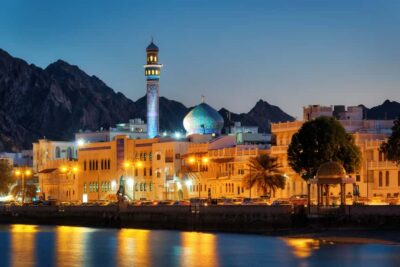
Then you head toward Muttrah, the commercial heart of the city on a mountain-backed bay. This is where you start to feel the Muscat vibe turn from institutional to everyday.
Muttrah Fish Market: Quick, Real, and Not for Everyone
Muttrah Fish Market is one of those stops that can be fascinating or skippable, depending on your tastes. The tour positions it at the heart of Muttrah on Oman’s largest harbor, connecting it to long-standing fishery tradition and commercial trade.
The stop itself is short, about 15 minutes, and it’s described as a new market designed as a tribute to both past and future Oman. That short window means you won’t do a deep browse. Instead, you’ll get a quick look at how locals trade and what the harbor scene looks like.
If you love markets, you’ll enjoy it
You’ll likely like it if you enjoy watching daily life and understanding what a place is built on. The sea-to-street energy is real here.
If you’re not a market person, manage expectations
Since the time is limited, don’t count on this stop to be a major highlight. If you prefer scenic walking and architecture, you might enjoy the nearby market and souk area more. One thing you can do is use the fish market stop as a photo and orientation moment, then focus your energy on the souk.
Muttrah Souk: The Covered Lanes That Make Muscat Feel Like Muscat
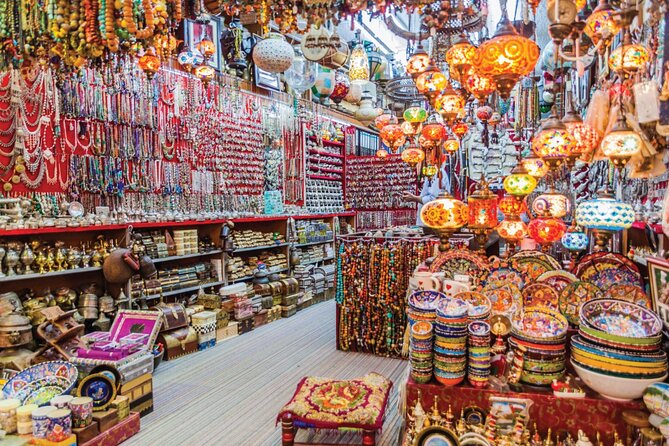
After the fish market, you’ll head into Muttrah Souk, described as one of the oldest souks in the Arab world and one of the most famous in Oman. The tour frames it as a maze of covered alleys filled with stalls, with goods like spices, perfumes, coffee, antiques, and homewares.
Your stop here is about 30 minutes, so it’s not a slow meander. But it’s long enough to:
- pick up the smell of the place (spices and perfumes tend to hit first),
- see the types of goods people actually buy,
- and get a sense of the souk’s layout for future browsing.
The tour notes that your guide may offer tips for shopping and haggling. With an audio-guided format, you might hear some guidance through the headphones or get practical advice at key moments. If you plan to buy anything, keep your expectations realistic: you’re not going to do a full bargaining masterclass in half an hour.
Still, it’s a great stop for first-timers because it teaches you what to look for later when you have more time.
Bait Al Zubair Museum: Where Oman’s Past Becomes Personal
This is the stop I’d put near the top for value. The museum visit is about 30 minutes, and entrance fees are included.
The Bait Al Zubair Museum is described as a charming heritage-focused museum that charts Oman’s past from ancient through modern times. Another practical detail from the experience is that it’s set in a house, described as a 20th-century Omani home that was converted into a museum. That kind of setting makes the exhibits feel less like a warehouse and more like a place with context.
What you’ll learn is not just dates. The museum experience is framed around Oman’s culture and early roots, and it highlights things like:
- clothes and traditional life,
- weapons and craftsmanship,
- architecture and trade,
- plus regional differences across Oman.
One very useful element is that the museum includes a model and maps that help you connect forts around Muscat with what you’re seeing in the city. That connection makes the later photo stops at Mirani and Jalali forts feel less random. You start to see them as part of a defensive harbor story, not just two pretty views.
Keep the museum stop active
Because your time is limited, don’t plan to read everything. Instead:
- look for the big themes you can carry into the forts and palace photo stops,
- and take one or two photos of key display areas so you remember what you saw.
Al Alam Palace and the Mirani and Jalali Forts: Short Stops, Big Views
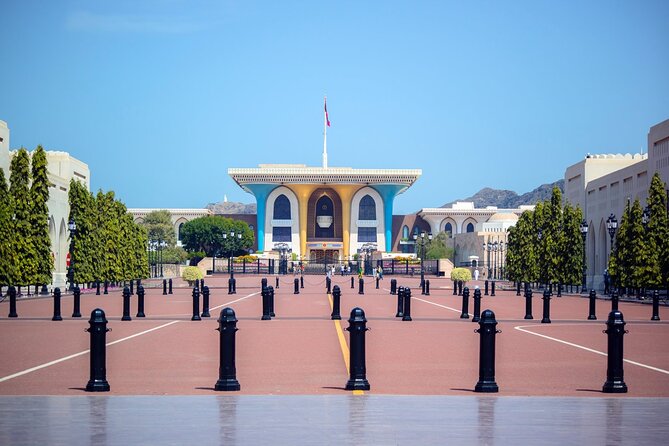
This portion of the tour is built around iconic Old Muscat scenes. You’ll have photo time at the Al Alam Palace, described as the ceremonial palace of Sultan Qaboos and built in 1972. It’s in Old Muscat, and the tour calls it a fine example of modern Islamic architecture.
Just as important, it’s a photo stop in a specific location. You’ll be oriented toward the waterfront, with the harbor and city geometry visible. There’s also a detail that may interest you if you like history in context: the Sultan Qaboos Palace is referenced as the official residence, and one review noted the Sultan ruled from 1970 until 2020. Even if you don’t go deep into dates, it gives weight to why this area matters.
Then come the Portuguese forts
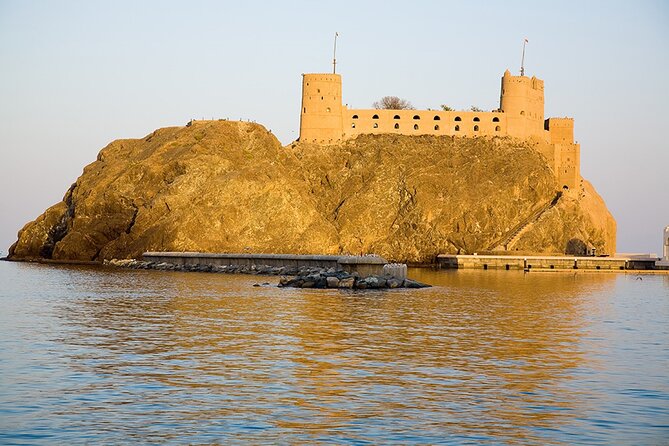
Next are two photo stops at the harbor-facing forts: Mirani Fort and Jalali Fort. The tour describes them as Portuguese-built from the 16th century. They’re perched above the bay, creating the classic view that makes Muscat look like it has protective walls made of stone and stubbornness.
The time is short, about 10 minutes at the forts. That means your best strategy is to:
- take your photos quickly,
- then step back and look without the camera for a moment,
- because the location is meant to be seen from the water’s perspective.
Photo-stop reality check
Because these are photo stops, you’re not entering and touring inside based on the information provided. Also, the tour notes that admission for Al Alam Palace and the forts is not included. If your plan is to see interiors, this may not be the right format.
Price and Time: Is This a Good Deal for $56?
At $56 per person for about 4 hours, this tour is positioned as a budget-friendly highlights sampler. The value comes from four areas:
- Transport plus hotel pickup and drop-off in an air-conditioned vehicle.
- Audio headphones in multiple languages.
- Entrance fees included for the Bait Al Zubair Museum.
- A tight list of major landmarks that helps you choose what to revisit later.
Where you should be careful is with the parts that are outside the included-fees logic. The tour notes entrance fees are not included for the Sultan Al Qaboos Grand Mosque, Al Alam Palace, and the forts. So even if the photo stops are free to enjoy, any paid entry requirement could affect your final “all-in” spending.
Also, the tour’s pacing is efficient, but that efficiency can feel like limitation. If your ideal day in Muscat is slow and deep, you might find the stops a bit fast. If your ideal day is a focused highlight run, this is the kind of format that works.
Who this tour suits best
This fits you if:
- you’re short on time and want the skyline anchors plus the souk experience,
- you like museums that provide context fast,
- and you’re comfortable following an audio guide without expecting constant live narration.
It might not fit you if you want long exploring time inside key sites or a fully guided, back-and-forth explanation at every stop.
Small Group Size, Pickup Exclusions, and Practical Tips
The maximum group size is 8 travelers, which generally keeps the ride comfortable and the photo-stop timing from feeling chaotic.
Pickup is offered, but pickup is not included for certain hotels, including Jumeirah Muscat Bay, Al Bustan Palace, a Ritz-Carlton Hotel, and Shangri-La Barr Al Jissah. If you’re staying at one of those, plan to arrange your own meeting point or confirm the exact pickup arrangement when you book.
One more practical point: the tour includes transport, but food and drinks are not included. Plan for a snack and water either before you go or after the tour, especially since your big walking happens around the souk.
Finally, keep your belongings close during quick transitions. One experience described a power bank issue after items fell out during movement. That’s not the norm you should expect, but it’s a reminder to stay hands-on with personal items when you’re stepping out for photos.
Should You Book This Muscat Half-Day City Tour?
Book it if you want an easy, organized way to see the headline places in Muscat within a morning-to-lunch window, and you’re happy with audio guiding doing most of the “talking.” The combination of the Sultan Qaboos Grand Mosque, a real market area in Muttrah, and the museum stop at Bait Al Zubair is a strong match for first-timers.
Skip it or choose a more guided alternative if you need lots of live explanation, longer site time, or you’re hoping to do full interior tours at the palace and forts based on what’s included. For everything else, it’s a solid, efficient way to get your bearings and leave Muscat with a short list of what you’ll want to revisit on your own.
Newest out of Muscat
- Wahiba Sands and Desert Safari from Muscat★ 5.0 · 3 reviews
- Guided Private Tour to Wakan Village in Oman★ 5.0 · 3 reviews
- Sunset And Coastal Trip Muscat★ 5.0 · 3 reviews
- Muscat Tour : Explore Evening Muscat attractions★ 5.0 · 3 reviews
- Muscat: Daymaniat Snorkeling Tour with Pick up & Drop off★ 4.7 · 3 reviews
- Wadi Shab full day tour (Muscat tours):Oman Shore excursions★ 4.5 · 3 reviews
- Muscat : Private trip to Wadi Shab for a full day with lunch★ 5.0 · 4 reviews
- Full-Day Private Wadi Tiwi Adventure★ 5.0 · 4 reviews
City Tours, compared.
Half-Day Private Muscat City Tour – Top Landmarks in Just 4 Hours
Read our review →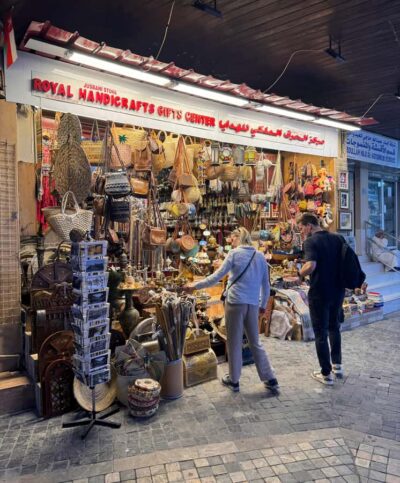
Private Muscat City Tour With Pick-up/ Drop-off
Read our review →

4 hours private Tour of Muscat City with Pick-up
Read our review →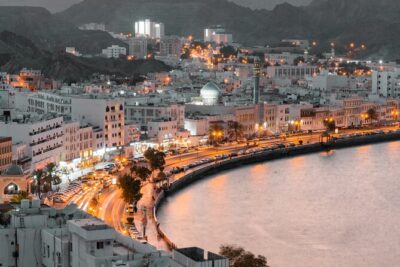
Half-Day Private Muscat City Tour- with a local guide
Read our review →
Browse the lists this tour appears in