
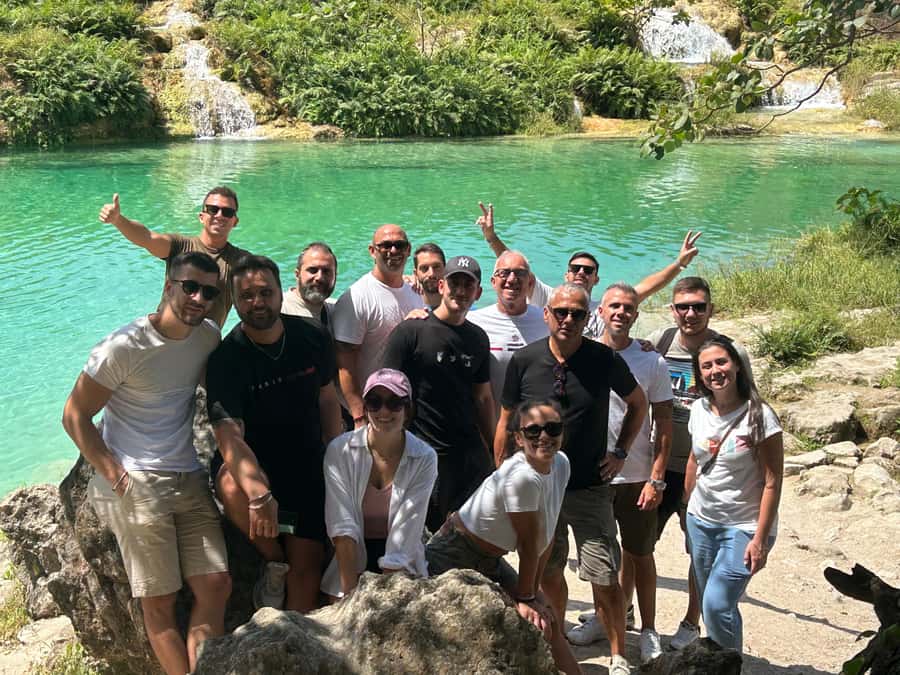
Reviewed · WADI DARBAT
Salalah: Wadi Darbat, Jabal Samhan, Baobab, Mirbat Sand Dune
This trip is interesting because it welds together so many different Dhofar worlds in one loop, East Salalah nature on one side and real Omani history on the other. I especially like the way it hits Wadi Darbat for waterfalls, canals, and the animal moments, and then turns the day toward big views from Jabal Samhan. And with guides such as Adil or Mohammad Ali, you tend to get clear context, not just stop-and-shoot directions.
One consideration: the best “wow” parts depend on the season. Waterfalls and the lushness at Wadi Darbat are seasonal (Khareef), and in mistier conditions the Jabal Samhan experience can feel less dramatic.
Key things to know before you go
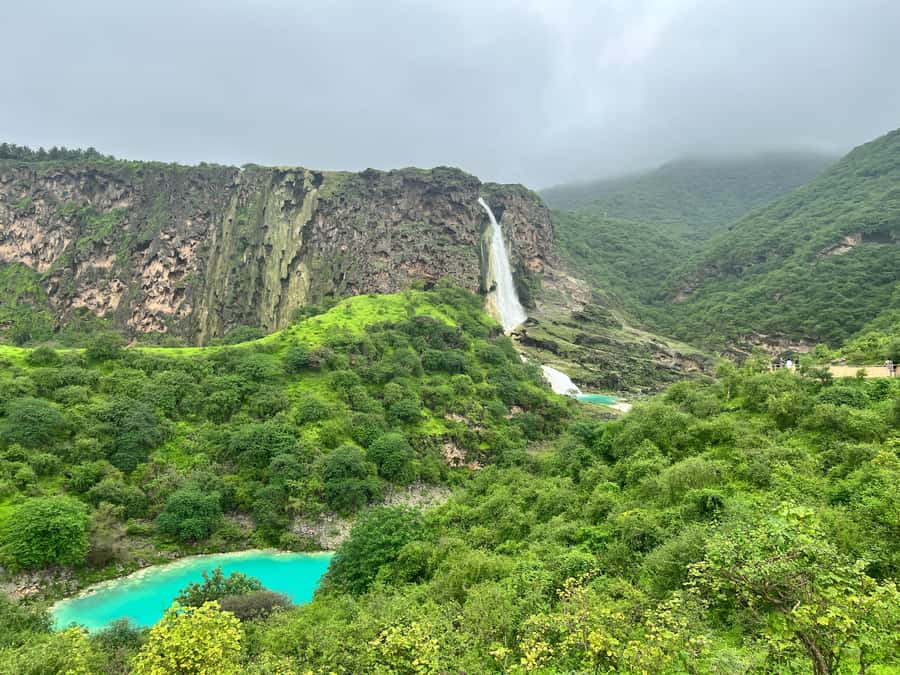
- A single route, lots of variety: cliffs, valley waterfalls, sinkholes, mountain drop-offs, and sand dunes in one day.
- Animal sightings at the water: camels often cool off in the Wadi Darbat canal area, with other animals you might see nearby.
- High altitude views: Jabal Samhan is listed at 4,000 ft, with a stand-above-the-clouds feel when visibility cooperates.
- Geology stop that feels out of place: the Birds Well, also called the Tawi Attair Sinkhole, is a standout pause for photos.
- Baobab trees in Wadi Hinna: rare in the region, and people tend to remember them even if they are not “tree people.”
- Culture stops are optional: you can explore Taqa landmarks and historic houses, or view from outside depending on your time and budget.
East Salalah by SUV: how this tour packs a lot of Dhofar into a simple plan
This is a guided East Salalah circuit built for variety. You are picked up in a Jeep or SUV and driven between major sites, which is exactly what you want in Dhofar when heat, distances, and road conditions can make self-driving stressful.
The core value for you is choice. The tour hits the big nature anchors, then layers in heritage stops in Taqa. And when entry tickets are optional, you stay in control, whether you want a faster photo tour or extra time in the historic buildings.
If you are the type who likes a plan with room to breathe, this one usually works. The duration can be half-day or full-day (4 to 8 hours depending on start time and the version you book), so you can match it to your energy and your weather window.
More of Wadi Darbat and the Salalah waterfalls:
- East Salalah Mountain Safari, Wadi Darbat, Beach, Camels, Dunes
★ 5.0 · 206 reviews - East & West Salalah Combination Tour – Darbat Waterfall, Mughsail
★ 5.0 · 55 reviews - Salalah: Half-Day Guided Tour to Wadi Darbat & Mount Samhan
★ 4.9 · 46 reviews
Price and logistics: where the $76 value really comes from
At $76 per person, this tour is priced like an “experience bundle,” not just transport. You get a live guide, pickup and drop-off, and bottled water, which keeps small daily costs from stacking up.
What is not included matters. Food is not part of the package, and some historic entries are optional. Also, the fun water activities at Wadi Darbat like boating and kayaking are optional add-ons, not included in the base price.
One small planning detail: if your accommodation is in Mirbat and Hinu Bay, there can be an extra OMR 10 per group charge for pickup. It is minor, but it can affect the real cost if you are comparing options.
Taqa coastal cliffs and the 19th-century heritage stops you can pick and choose
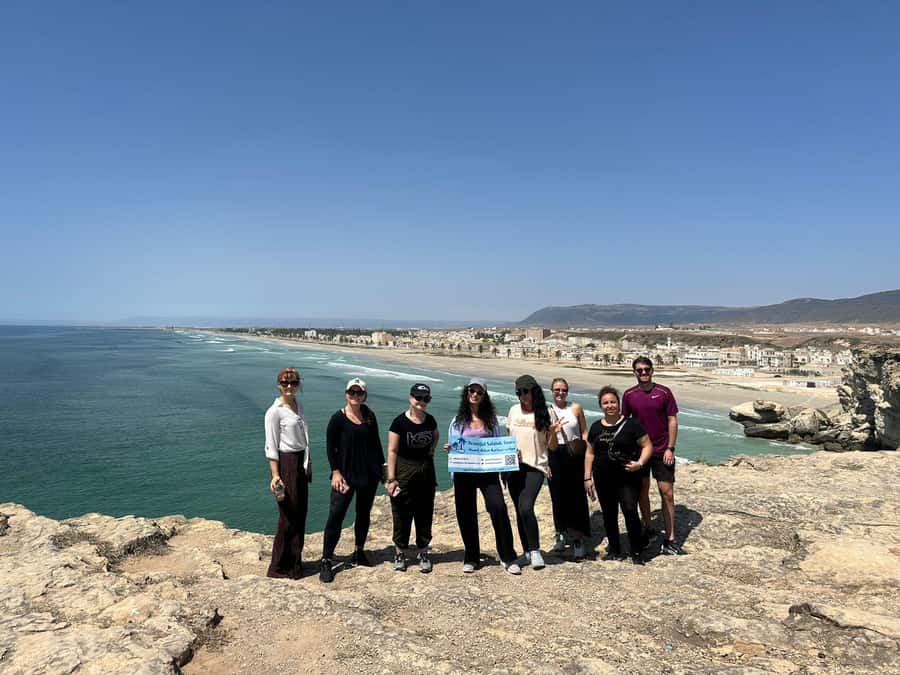
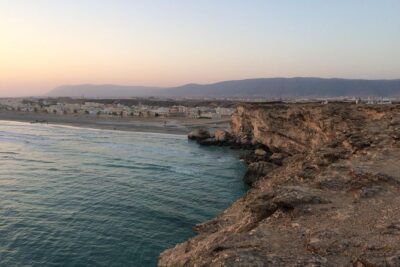
Your day usually starts toward the coastal town of Taqa, with a quick pass by the traditional fishing-village vibe. You may spot fishermen working along the shore, plus birdlife near the waterline, and you get a cliff-top viewpoint that makes the town and sea easy to understand at a glance.
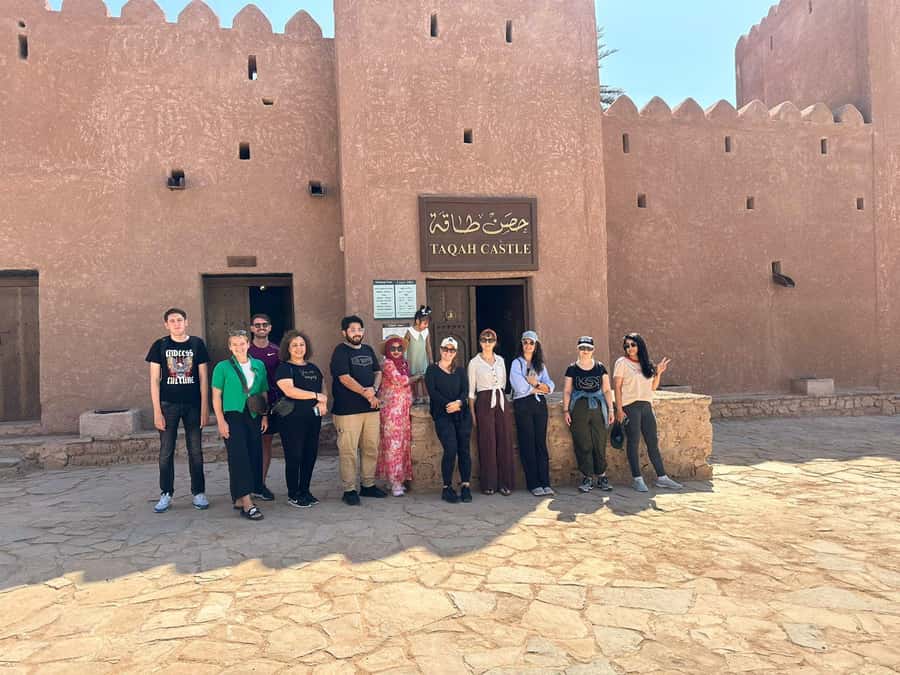
From there, the historic pieces come in. Taqa Castle is a key stop, and you typically spend around half an hour there if you choose to go in. Next up is Taqah Fort, Burj Al-Askar, also called قلعة طاقة (برج العسكر), with a cliff-top lookout where the coast and castle view are the main draw.
There is also an optional “step inside” stop: the Koofan Heritage House, described as a rare look at a 150-year-old Dhofari home. If you skip the paid entry, you still get to see these landmarks from outside, so you do not feel trapped into extra costs.
Practical tip: these historic moments are calmer than the nature stops, so use this part of the day to slow down. Wear modest clothes as required, and keep your camera ready, because the cliff viewpoints tend to produce the cleanest wide shots.
Wadi Darbat waterfalls and canal time: the animal-friendly part of Salalah
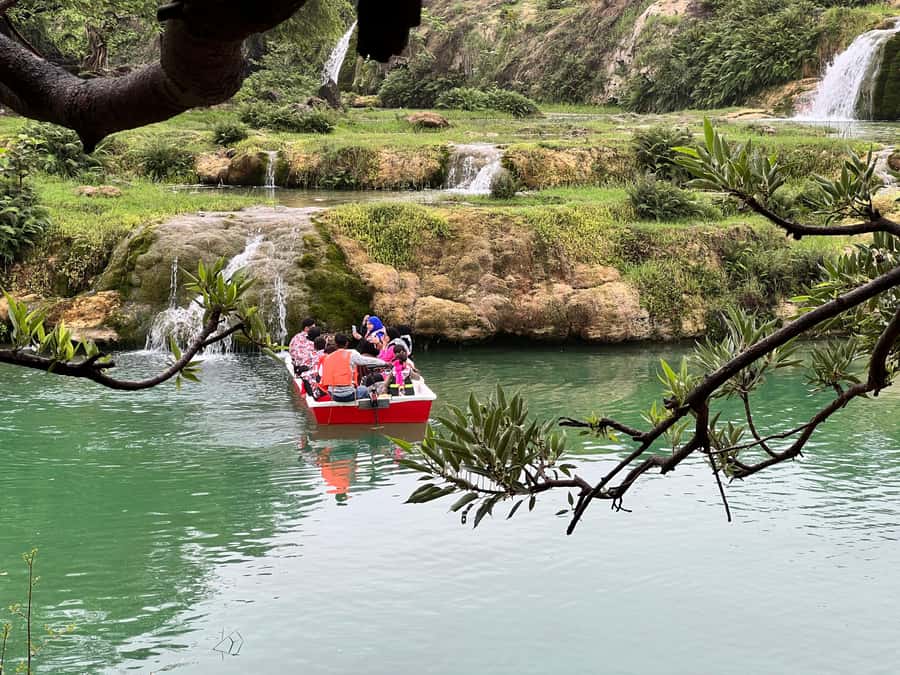
Wadi Darbat is the star for most people, and it earns its reputation. This is where you go for waterfalls (seasonal), greenery, and a valley feel that contrasts sharply with the surrounding terrain.
A big reason this stop works is that it is not just scenery. You can take a kayak or boat ride on the canal if you want, and the experience often includes the charming surprise of wandering camels cooling off in the water. If you like animal moments but do not want a zoo day, this is a good fit.
Important reality check: waterfalls and full greenery are tied to Khareef, the monsoon season. In the dry months, you might still enjoy the valley, but the dramatic waterfall effect can be reduced or absent. You still get a year-round visit, but manage your expectations on water volume.
If you are planning lunch, do not count on a proper sit-down meal during the middle of the tour. The guide can help you find a snack option at a site, but the tour focus stays on the outdoors, not restaurant hopping.
A few more Salalah days worth weighing up
- Mountain Safari Private Tour
★ 5.0 · 105 reviews - Sunset Desert Safari Salalah Tour in Rub Al Khali – Empty Quarter
★ 5.0 · 91 reviews - Salalah: Sunset Desert Safari – Rub Al Khali – Empty Quarter
★ 4.6 · 79 reviews - West Salalah Tour – Caribbean of Orient – Fazayah Beach with City
★ 5.0 · 74 reviews
Birds Well, Tawi Attair Sinkhole: a geological stop that reframes the whole region

After Wadi Darbat, the tour adds a strong “what is going on here” moment: the Birds Well. This is the massive Tawi Attair Sinkhole, and even from the lookout area it tends to hit the same feeling as a movie set, because it looks dramatically carved compared to the surrounding countryside.
This stop is not about comfort. It is about perspective. Sinkholes also tend to create different micro-conditions, so the air and light can feel different around the rim. It is a good moment to take photos, then regroup before the mountain climb that follows.
If you want more time here, use your guide. Some guides are quick to point out the best angles and where the light hits, and people have noted guides like Tariq and Salim being especially helpful with timing and photo stops.
Jabal Samhan: 4,000 ft above the clouds, when visibility cooperates
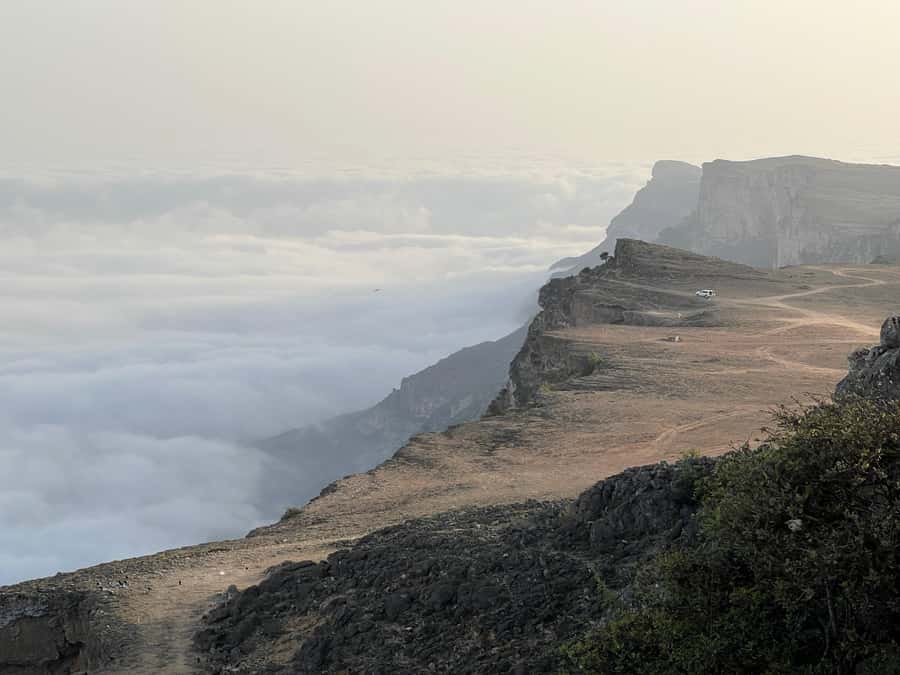
The full-day version pushes you further into the mountains with Jabal Samhan, described as the highest point in southern Oman. The highlight is the chance to stand around a 4,000 ft drop and experience that stand-above-the-clouds feeling as clouds roll against the cliff edges.
This is the part of the tour that can feel life-changing or merely impressive, depending on the day. In clear weather, you get the dramatic “edge of the world” effect. In mist or heavy fog, you might not get full visibility, and some groups have had to adapt on the fly when clouds swallowed the view.
That is where your guide matters. If you have a guide like Adil, Adel, or Ibrahim, the day often feels well-managed because they help you keep moving with a good sense of what is possible in the conditions. It is still your job to dress for cool air on higher ground, because mountain weather can shift.
Baobab trees of Wadi Hinna, then Gravity Hill: two oddball moments in one stretch
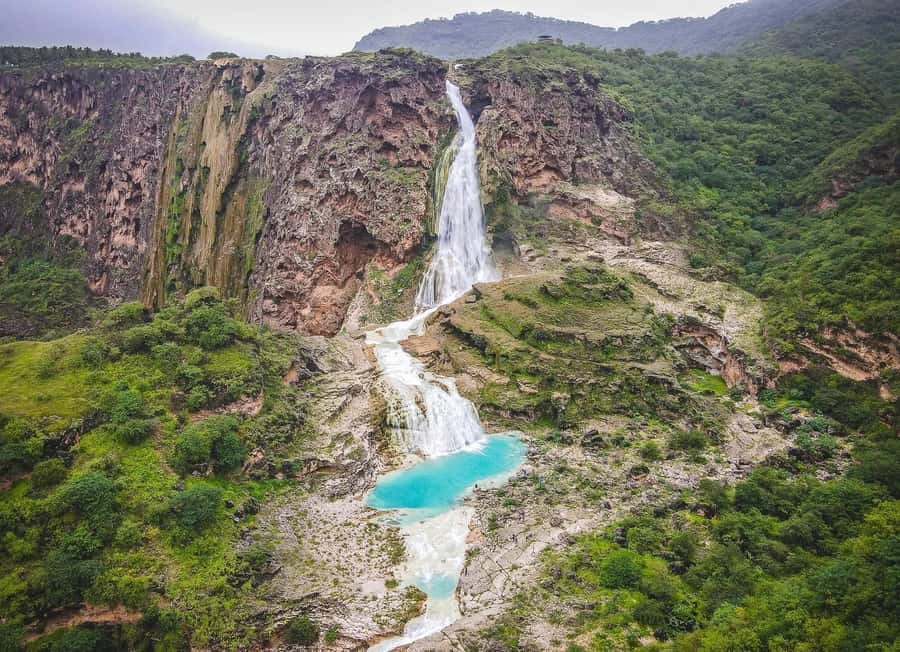
The tour keeps momentum with two famous-ish “curiosity stops” that people remember.
First, there are the baobab trees in Wadi Hinna. These trees are rare in the region, and they are big in a way that makes you stop talking for a second. If you like wildlife and natural oddities, this is a strong payoff.
Then comes Gravity Hill Salalah, where the experience is tied to an optical effect. You watch your vehicle appear to roll uphill in neutral, and the disbelief factor is real. It is the kind of stop that feels a little silly until you see it, then you just want to show the person next to you.
If you get motion-activated photo joy, this is a good part of the day for it. Many guides are happy to stop for picture timing, and you might even get a quick local tea moment from a café stop if your guide makes time for it.
Mirbat sand dunes: finishing with mountains, gold sand, and sea air
To wrap up the full-day circuit, you head to the Ad Damar Dunes in Mirbat. This is where golden sand meets a dramatic mountain backdrop and the coastline is not far from the action.
If you catch the light well, these dunes are an easy “everyone gets a good photo” location. Even if the day started with waterfalls and castles, the dunes help bring the story together: water, mountains, then sand, all in the same East Salalah loop.
This is also a good time to slow down. The tour is moving, but the dunes give you a flexible window for photos, a calm walk, and a last look at the terrain.
What to bring and how to dress, so the day stays comfortable
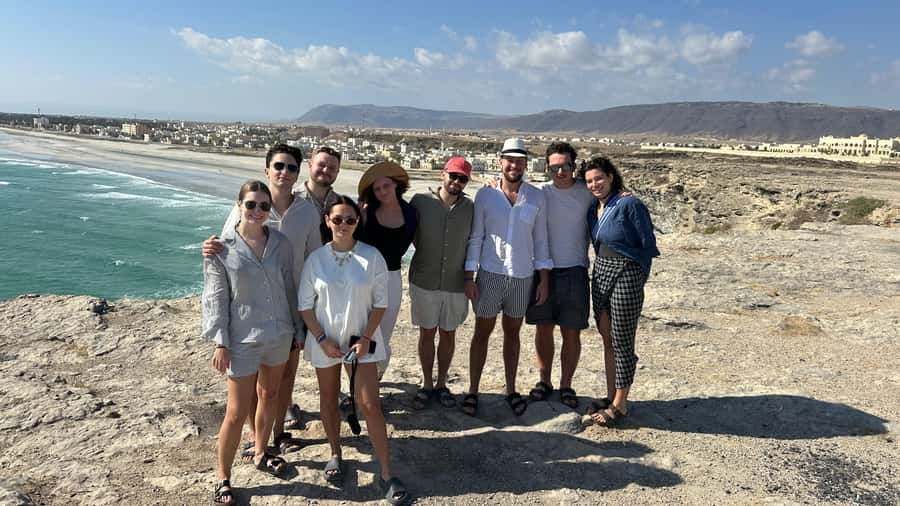
Come ready for both walking and weather swings. Wear comfortable shoes, and if you tend to walk on uneven ground, hiking shoes are a smart call. Bring cash because some activities and optional entries happen on-site, and a credit card can help for certain purchases.
Breakfast first. This tour runs from pickup time and you may not get a true meal break. You can bring snacks, and you might find a place to eat something simple in Wadi Darbat or later around the mountain area, but plan on being “snack-to-snack” unless you arrange lunch as an add-on.
Dress for modest Omani style. Shoulders and knees should be covered, and avoid shorts or sleeveless tops. It is not just etiquette, it makes the day smoother since you will be outside for hours.
Who this tour is best for, and who should skip it
This tour is ideal if you want a mixed day: nature plus culture, with major photo stops and a guide to manage the timing. It works especially well for first-timers to Salalah who want to see East Salalah beyond the city without renting a car.
It can be tough for some people. It is not suitable for mobility impairments, people over 95, or pregnant women. Expect uneven ground, walking at viewpoints, and a pace that assumes you can move comfortably.
If you are traveling solo, it can also be a good option, because the tour format tends to fit small groups. Many guides are used to helping solo visitors with photo angles and keeping everyone together.
Should you book Beautiful Salalah Tours for this East Salalah circuit?
I think you should book it if your ideal day in Salalah includes waterfalls in Khareef season, big mountain viewpoints, and a “variety pack” of geology and heritage. The value comes from the fact that you are not just passing landmarks, you are being guided through a whole region’s different faces.
I would hesitate if your travel dates are outside Khareef and you are specifically chasing waterfall drama. In dry periods, the waterfall effect can fade, and mist can reduce visibility on Jabal Samhan. If you do not mind that nature is seasonal and sometimes changeable, you will still get plenty to enjoy.
If you go, pick your priorities before you start. If you care most about nature, keep your extra ticket costs optional and spend your time where water and views deliver. If you care about culture, choose the historic entries that match your interests, and let the rest be “see from outside” so the day stays relaxed.
FAQ
How long is the Salalah East Side trip?
It runs for 4 to 8 hours, depending on the starting time and whether you book the half-day or full-day version.
What is included in the tour price?
The tour includes a tour guide, pickup and drop-off from your Salalah and Hawana Salalah hotel area, and bottled water.
Is lunch included?
No. Food is not included, though lunch can be arranged for an additional cost.
Are entrance tickets to the historic sites included?
No. Entry tickets for places like Taqa Castle, Taqah Fort (Burj Al Askar), and Koofan House are optional and not included.
Are kayaking and boat rides at Wadi Darbat included?
No. Boating and kayaking at Wadi Darbat are optional and not included.
Where are the pickup and drop-off locations?
Pickup and drop-off are available in Salalah, Hawana Salalah, Mirbat, and Taqah.
Is there an extra fee for Mirbat and Hinu Bay pickups?
Yes. If your accommodation is in Mirbat and Hinu Bay, there is an extra OMR 10 per group charge.
What languages are the guides available in?
Guides are available in English, Polish, Italian, German, Arabic.
Are the waterfalls always flowing?
No. The waterfalls and lush greenery at Wadi Darbat are seasonal during Khareef. The wadi remains a year-round destination.
Is the tour suitable for everyone?
No. It is not suitable for people with mobility impairments, people over 95 years, or pregnant women.
Newest out of Salalah
- Half day Salalah City Tour with Souq Visit★ 5.0 · 3 reviews
- Half-Day Private Salalah East Tour★ 5.0 · 3 reviews
- Salalah East Tour (Full Day Tour)★ 5.0 · 3 reviews
- Jebel Safari – Tour della montagna★ 5.0 · 3 reviews
- Empty Quarter & Lost City from Salalah★ 5.0 · 3 reviews
- West Coast Mountains and Beaches (Fazayah beach + Shaat cliff)★ 5.0 · 3 reviews
- Salalah City Tour :Salalah Tours★ 5.0 · 3 reviews
- Desert Safari in Empty Quarter with Dune Bashing★ 5.0 · 4 reviews
Wadi Darbat, compared.
East & West Salalah Combination Tour – Darbat Waterfall, Mughsail
Read our review →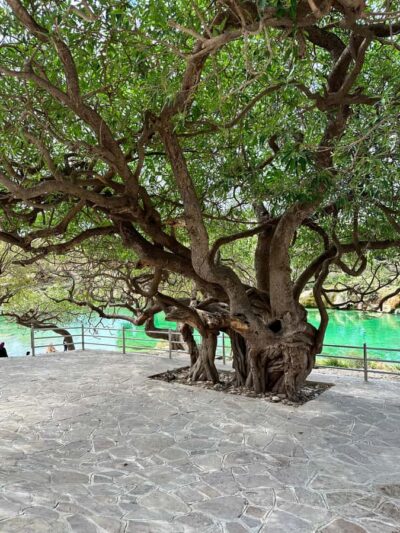
Half-Day Guided Tour to Wadi Darbat & Mount Samhan
Read our review →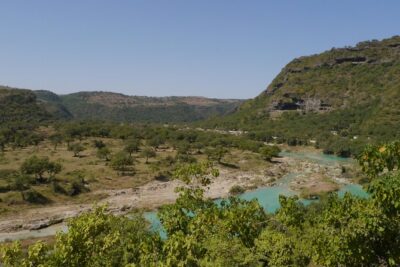
Salalah City and East Tour Combo (Darbat falls, Razat spring)
Read our review →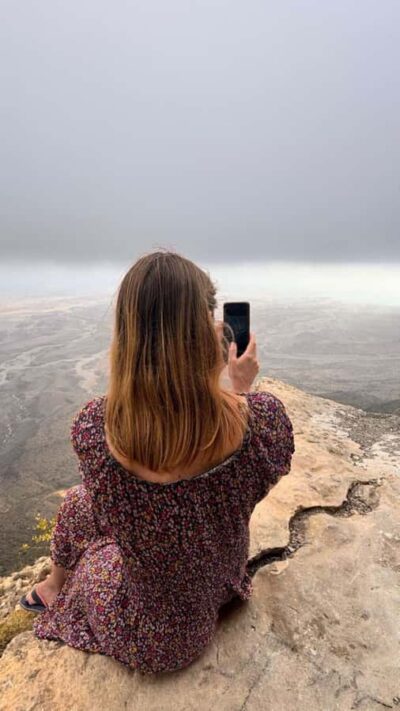
Salalah East Tour: Taqah , Darbat waterfall,camel’s baobab
Read our review →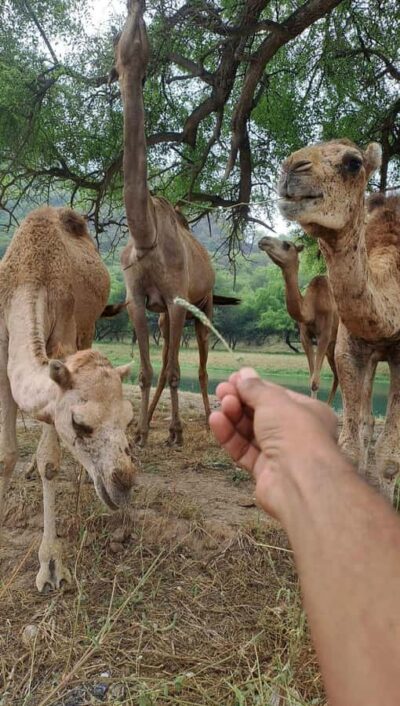
Browse the lists this tour appears in