
Reviewed · JEBEL AKHDAR
Jebel Akhdar – Muscat, Oman
Jebel Akhdar is the kind of Oman day trip that feels like you’re switching countries without leaving the same region. You start with Nizwa’s living market and fort, then you climb into the cooler, terraced mountain villages of Jebel Akhdar, ending near Birkat Al Mouz and its historic water system.
What I like most is that this is a true private excursion with hotel pickup and drop-off, so the timing works for you. I also love the mix of places with real texture, from Nizwa Souq’s trading energy to the terraced gardens and abandoned village traces around Jebel Akhdar and Birkat Al Mouz. One consideration: it’s a full 9-hour outing and you will do some walking, so comfy shoes matter, and you may need flexibility because the experience depends on good weather.
If you care about how Oman works beyond the highlights, this tour’s format helps. Your Omani guide shares the story as you go, and people’s feedback repeatedly calls out guides being punctual, caring, and genuinely interested in helping you understand what you’re seeing, with names like Eng Monther Al Jabri, Saleh, Malik, Asaad, and Salim showing up in that spirit.
Key Things That Make This Trip Worth It
- Private 4WD transfer up to Jebel Akhdar, not just a long car ride
- Omani guide in English, with strong praise for being punctual and personable
- Nizwa Souq first, so the culture makes sense before the mountain scenery takes over
- Jebel Akhdar terraced gardens and a walk along the mountain edge with valley views
- Birkat Al Mouz ruins plus a look at the UNESCO-recognized Falaj Al Khatmeen water system
- Multiple short stops along the way, which keeps the day from feeling rushed
Hotel Pickup, 4WD Transport, and a Smooth 9-Hour Rhythm
This tour runs about 9 hours starting at 8:00 am, and it’s built around not wasting time. You get picked up from your hotel and dropped back afterward, which matters in Muscat because traffic can turn a half-day plan into a day-long headache.
The route uses a 4WD transfer and an air-conditioned vehicle, plus the tour provides mineral water. That combination is practical: you get comfort while traveling and a vehicle type designed for mountain roads, and you stay hydrated without needing to hunt for small purchases mid-day.
The schedule is also structured so you don’t just “check the box” at each stop. There are set anchor points, Nizwa Souq, Nizwa Fort, Jebel Akhdar, and Birkat Al Mouz, plus “a few extra stops” along the way. Those add-ons are often where you get quick context, viewpoints, or small moments that make the day feel less like a transfer and more like a guided outing.
More of Jebel Akhdar:
- From Muscat: Nizwa and Jebel Akhdar Tour with Lunch
★ 4.8 · 319 reviews - Full Day Private Nizwa/Jebel Akhdar
★ 5.0 · 205 reviews - Muscat: 4×4 Adventure Through Jebel Akhdar and Nizwa
★ 4.9 · 115 reviews
Nizwa Souq: Where Oman Feels Daily, Not Museum-Quiet
You begin in Nizwa Souq, and I really like this order. Nizwa is described as a former capital of the Sultanate and also tied to the birthplace of Islam in Oman, so you’re not only arriving at a place to shop, you’re stepping into a setting with deep roots.
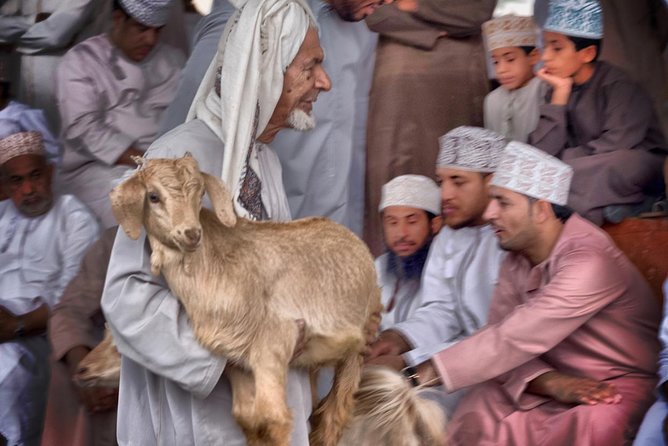
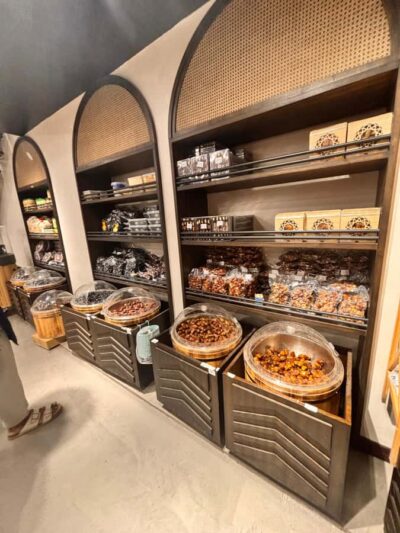
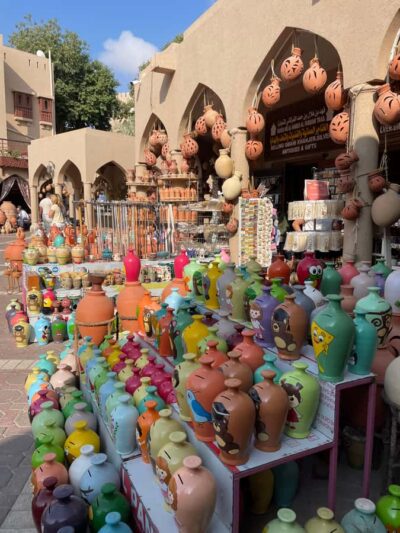
The market experience is hands-on and human-scale: Omani handicrafts, sweets, spices, and the kind of everyday trade that moves at a local pace. It’s also especially famous on Fridays for the cattle market, with a lively goat auction, which is one of those details that helps you understand the souq as a social system, not just a shopping stop.
Time-wise, plan on about 2 hours here. If you want a slow browse, you’ll have enough time. If you prefer quick photos and a short walk, you can still catch the feel without spending the entire morning hunting for souvenirs.
One small caution: souqs can be busy and crowded. If you’re sensitive to noise or crowds, you’ll feel better going with a patient mindset and keeping a light plan, like choosing one or two items to look for instead of trying to see everything.
Nizwa Fort: 17th-Century Oman With a Signature Tower
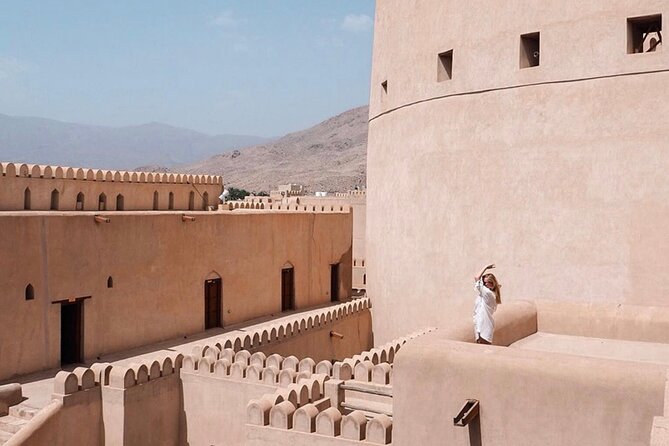
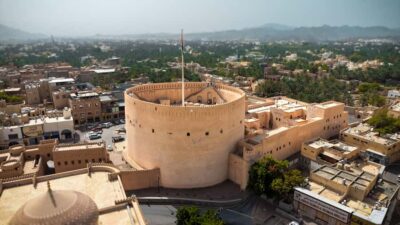
Next comes Nizwa Fort, built in the 17th century and described as the largest fort in Oman, with a landmark round Nizwa Tower. Forts can sometimes feel like stone and angles, but Nizwa Fort works because it gives you a visual anchor for how the area mattered.
You’re given about 2 hours for this stop, which feels right. It’s long enough to walk around, take in the tower and structure, and connect what you see with what your guide explains. It also breaks the day up well, so the mountains don’t start to feel like your entire attention.
Admission is marked free for this site in the tour info, but the overall tour description also notes that entrance fees are not included for tourist places. Since those notes don’t perfectly align, I’d treat it as a checklist item: confirm with your operator or guide before you go so you don’t get surprised at the gate.
Jebel Akhdar: Terraced Gardens, Valley Views, and an Edge Walk
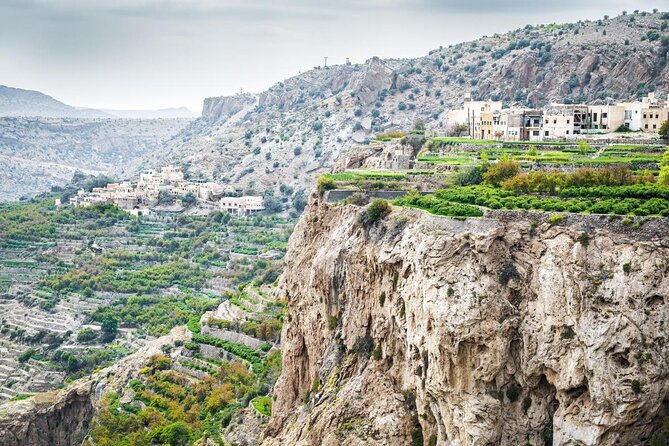
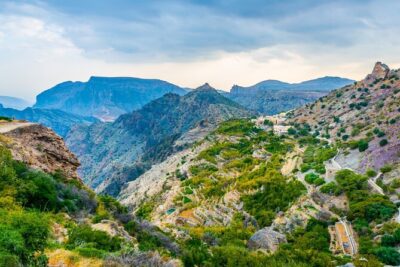
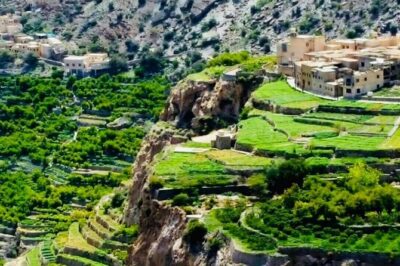
This is the emotional core of the day. Jebel Akhdar means Green, and you get why pretty quickly once you’re driving uphill through fruit and vegetable gardens planted on man-made terraces.
When a mountain is terraced like this, it changes the whole vibe from “wild nature” to “human engineering.” The tour’s Jebel Akhdar time is about 2 hours, and it’s not just scenic driving. There are viewpoints and then a walk along the edge of the mountain with stunning views over the deep valley, garden plantations, and abandoned villages.
That edge walk is the part I’d plan for. You’ll want sturdy footwear and a steady pace, because the view is the reward and the walking is the vehicle for reaching it. If you’re traveling with kids, or you have limited mobility, ask how much walking is expected on your specific day and how flexible the guide can be.
What makes this stop special is the abandoned village element. It’s not only a pretty overlook, it’s a reminder that people shaped these terraces and then, at least in some areas, life moved on. A guide who can explain what you’re looking at is a big part of the value here, and the feedback you’ll see about the guides is consistently positive on being helpful and informative.
A few more Muscat days worth weighing up
- Muscat: Daymaniat Islands Snorkeling Trip with Brunch
★ 4.7 · 2,317 reviews - From Muscat: Wadi Shab & Bimmah Sinkhole Full-Day Tour
★ 4.8 · 1,862 reviews - Muscat: Wahiba Desert and Wadi Bani Khalid Guided Group Tour
★ 4.8 · 820 reviews - Muscat: Half-Day Sightseeing Essentials Tour and Audio Guide
★ 4.2 · 598 reviews
Birkat Al Mouz Ruins: Banana and Date Plantations Meet History
After the altitude and the terraced gardens, Birkat Al Mouz brings you back down to the foothills, where the atmosphere shifts again. This stop is described as a settlement oasis at the foothills of Jebel Al Akhdar, and the focus is both on ruins and living agriculture.
You’ll spend about 2 hours here, including a short walk between ruined traditional mud and clay structures around an abandoned old village, identified as Sal Saybani. What I like about this structure is that the walk is short enough to stay enjoyable, but it still gives you real context on settlement patterns, not just distant sightseeing.
Then there’s the agricultural side. The ruins are surrounded by lush banana and date plantations, so the place doesn’t feel like a dead relic. You’re seeing an Oman where water management and farming still matter, which ties directly into the next key piece.
The highlight is the Falaj Al Khatmeen water delivery system, which is recognized by UNESCO World Heritage for Oman’s contribution to agricultural development. Even if you’re not a “water nerd,” this part clicks once you understand that terraced farming and oases depend on smart distribution. Your guide can connect the dots between mountains, gardens, and the way water is routed over time.
If you’re the type who likes taking photos, this stop also gives you variety: soft ruins textures, plantation greens, and historical irrigation context all in one area.
Price and Value: What $220 Covers in the Real World
At $220 per person, the first question is always value. Here’s how I’d think about it: you’re paying for a private day, with hotel pickup/drop-off, an English-speaking Omani guide, private transportation, and a 4WD transfer for the mountain segment.
A lot of tours around the region are either cheaper but involve sharing vehicles, or they feel more like driving from viewpoint to viewpoint with minimal context. This one tries to do the opposite: keep you in your own bubble, give you a guide for interpretation, and include several substantive stops that each take about 2 hours.
That means your “cost per hour of guidance and access” is usually what justifies the price, especially if you travel as a couple, a small family, or a group that wants flexibility. Also, the tour notes group discounts, which can make it better if you’re traveling with friends or planning multiple bookings.
Two practical cautions on value, not drama. First, lunch is not included. If you want a proper meal, you need to budget time or money outside the tour. Second, entrance fee notes are inconsistent across the tour details, so I recommend confirming what you personally will pay, if anything, at the sites.
What You Gain Most From the Guide (and Why It Matters)
The guide is the multiplier on this itinerary. The tour’s pitch emphasizes learning about the area from your Omani guide, and the feedback reflects that in a very human way: guides are described as caring, friendly, professional, and able to share the culture with passion.
Names that appeared in guide feedback include Eng Monther AL Jabri, Saleh, Malik, Asaad, and Salim, and in other feedback you may also see Said, Mohammad, and Anad. I’m not listing names to be cute, I’m using them as proof points: you’re not just buying a ride, you’re buying a person who can explain why Nizwa matters, what terracing changes, and how falaj irrigation supports life in Oman.
That’s the difference between seeing terraced gardens and understanding why they exist. It’s also the difference between standing in a fort and grasping what it represented in the region.
Who This Jebel Akhdar Day Trip Suits Best
This tour is a good match if you want a more thoughtful, less rushed day. It fits well for:
- Couples who want scenery plus cultural context
- Families who can manage short walks and want a guide to explain things
- Travelers who prefer private transportation and a flexible pace
- Anyone interested in Nizwa, mountain agriculture, and historic irrigation systems
It’s also recommended for pregnant travelers in the tour notes. That doesn’t mean it’s effortless, but it suggests the operator is used to accommodating different comfort levels and planning the day with care. If you fall into that category, talk with the operator about walking portions, viewpoints, and pacing.
What to Expect on the Ground
You should expect a day built around several “two-hour blocks,” not a single long drive with tiny stops. You’ll cover:
- Market time and local trading energy in Nizwa
- Fort time in Nizwa with a focus on the structure and tower
- Mountain driving and viewpoints plus a walk along the edge at Jebel Akhdar
- A short ruins walk among mud and clay structures at Birkat Al Mouz
- A guide-led explanation of the UNESCO-recognized falaj system
Bring your patience for the fact that Oman travel days can include waiting while you switch areas and viewpoints. Also bring your comfort items: water is provided, but you’ll still want your own snacks if you get hungry between stops since lunch is not included.
Should You Book This Jebel Akhdar Private Tour?
I’d book it if your ideal Muscat day trip includes all three of these: a strong cultural warm-up in Nizwa, a real mountain experience at Jebel Akhdar, and a historic irrigation story at Birkat Al Mouz. The private setup, hotel pickup/drop-off, and consistently praised guides make this feel like a guided day rather than a sightseeing transfer.
I’d skip it or rethink if you don’t like walking, hate crowds at markets, or want the tour to handle meals for you. Also, because the experience requires good weather, have a Plan B day in Muscat if your schedule is tight.
If you’re aiming for value, the price makes more sense when you consider what you’re buying: private transport, 4WD for mountain access, and an English-speaking guide who can turn each stop into something you understand, not just something you pass through.
FAQ
How long is the Jebel Akhdar day trip and when does it start?
The tour duration is about 9 hours and it starts at 8:00 am.
Do I get hotel pickup and drop-off?
Yes, hotel pickup and drop-off are included.
Is this a private tour or shared with others?
It’s a private tour, so only your group participates.
What are the main stops during the day?
The tour includes Nizwa Souq, Nizwa Fort, Jebel Akhdar, and Birkat Al Mouz Ruins.
Are meals like lunch included?
No. Lunch, breakfast, and dinner are not included.
Does the guide speak English?
Yes, the tour includes an experienced Omani guide who can speak English.
Does the tour depend on weather?
Yes, the experience requires good weather. If it’s canceled due to poor weather, you’ll be offered a different date or a full refund.
Newest out of Muscat
- Wahiba Sands and Desert Safari from Muscat★ 5.0 · 3 reviews
- Guided Private Tour to Wakan Village in Oman★ 5.0 · 3 reviews
- Sunset And Coastal Trip Muscat★ 5.0 · 3 reviews
- Muscat Tour : Explore Evening Muscat attractions★ 5.0 · 3 reviews
- Muscat: Daymaniat Snorkeling Tour with Pick up & Drop off★ 4.7 · 3 reviews
- Wadi Shab full day tour (Muscat tours):Oman Shore excursions★ 4.5 · 3 reviews
- Muscat : Private trip to Wadi Shab for a full day with lunch★ 5.0 · 4 reviews
- Full-Day Private Wadi Tiwi Adventure★ 5.0 · 4 reviews
Jebel Akhdar, compared.
Nizwa Fort-Nizwa Souq-Birkat Al Mouz-Jebel Akhdar – Private Full Day Tour
Read our review →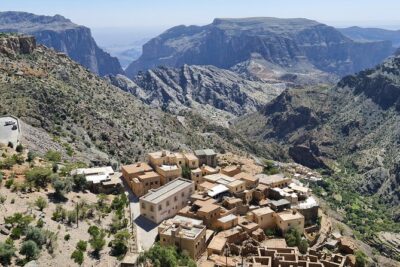
AMOUAGE: Full Day Private Trip to Nizwa and Al Jabal Akhdar
Read our review →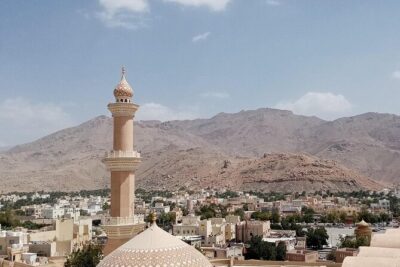
Private Day Trip to Nizwa, Jabal Akhdar (Green Mountain) & Birkat Al Moz
Read our review →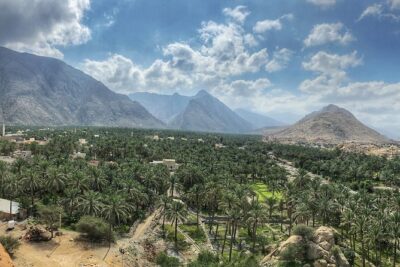
Browse the lists this tour appears in